
Most Australians who sit down with a flat white and a phone have the same question: what are the actual odds, and where does the house edge sit? The short answer is that pokies are built around a programmed return-to-player percentage, and that percentage is the clearest window into the house edge. You do not need a maths degree to read it, but you do need to know where to look and what the numbers really mean for your bankroll over a busy arvo.
Reading the Return Figure on Your Screen
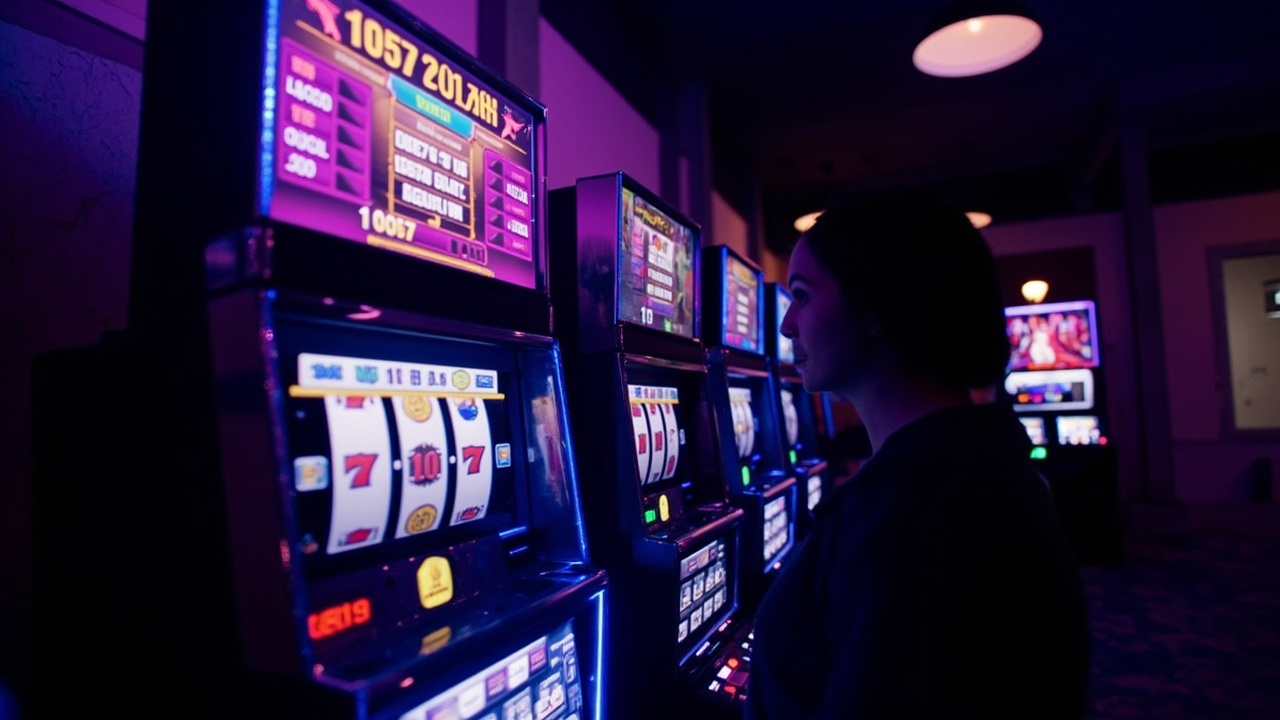
The return-to-player rate is the inverse of the house edge, and it is usually published in the game info or paytable section of each title. If a pokie advertises a 94 percent return, the house edge is roughly six percent over the long run, which means the maths is stacked against you from the first spin. That figure is theoretical, not a promise for any single session, and it sits alongside volatility to tell you how quickly swings can happen. Checking that info panel takes ten seconds and saves you from assuming every game pays the same way.
When I worked on fan engagement and commercial projects around the Newcastle Jets, we learned the hard way that surface numbers can mislead if you do on the brand’s platform not check the fine print. A headline attendance figure or a bonus offer looks simple until you read the terms, and the same applies here. The published return percentage is the one number that actually reflects the online pokies house edge and odds, so treat it as your starting point rather than a marketing slogan.
How the Odds Actually Play Out Over a Session
Volatility and Why Short Runs Look Random
Volatility is the pace and size of swings, and it is what makes two games with the same return percentage feel completely different. A low-volatility pokie pays smaller wins more often, which can keep a balance ticking over, while a high-volatility title can go quiet for a long stretch before a bigger hit. Neither style changes the underlying house edge, but both change how your money feels in your pocket during a single session. If you are playing on a phone between meetings, volatility matters as much as the return figure because it tells you what kind of rhythm to expect.
Bonus Rounds and How They Shift the Edge
Free spins, pick-me features, and expanding wilds are the parts most players notice first, but they are also where the maths gets layered. A bonus round can lift the entertainment value and occasionally pay well, yet the base game and the feature are usually calibrated together to hit that published return over time. Some titles weight the feature heavily, others keep it modest, and that weighting is part of how the house edge is distributed across the whole game. Reading the paytable for feature triggers and average feature payouts gives you a clearer picture than assuming a flashy round automatically tilts the odds in your favour.
Bet Limits, Spin Speed, and the Local Reality
Bet limits, load-up limits and spin-speed rules vary by Australian state and territory, which means the same pokie can feel different depending on where you are playing and what your device allows. A faster spin speed can burn through a session more quickly, while tighter load-up limits can cap how much you can stack before you start. None of that changes the programmed return, but it does change how many spins you get and how exposed you are to the house edge in practice. Treat those settings as part of the odds picture, because the edge is theoretical over many spins and your actual exposure depends on how fast you play and what limits are in front of you.
Who This Setup Fits and Who Should Look Elsewhere
This kind of pokie maths suits players who want a clear, transparent read on what they are spending time and money on, and who are comfortable treating any session as paid entertainment rather than a plan to get ahead. If you like knowing the return figure, checking volatility, and setting a pace that matches your phone and your budget, the numbers give you something solid to work with. If you are chasing a short-term win or expecting a feature to fix a bad run, the house edge will still be there when the session ends, and no amount of optimism changes that. The right fit is someone who reads the info panel, picks a volatility that suits their mood, and stops while the balance is still theirs to keep.
A realistic chat over a flat white at an Adelaide cafe makes the point better than any chart. One bloke says he reckons the free spins round must tilt the odds his way, and the other replies that the return percentage is still the same number once the feature is factored in, so the edge does not magically move. They both agree that the house edge is just the cost of playing, and that the only real choice is how long you want to stay in the game and what volatility you can sit with. No worries, they say, as long as you know what you are paying for.Understanding House Edge For European Roulette
I have seen the same kind of clarity matter in sports business, where Stu Ungar won the WSOP Main Event three times but battled severe personal demons, and where prop bets cover novelty outcomes within an event while the core market stays grounded in real probability. Ethan Thompson, Strategy Director, Bondi Sports Data, puts it plainly: the edge is always there, so the only sensible move is to understand it before you commit. That same mindset applies here, because knowing the online pokies house edge and odds is what separates a deliberate session from a guess.
If you want a second opinion on how return percentages and volatility sit across different titles, it is worth checking an independent breakdown like https://rippercasinondb.com before you spin. For a wider look at how house edge works in a different game, the discussion in Understanding House Edge For European Roulette is a useful side read.
Glossary
- Return to player: the theoretical percentage a game pays back over the long term, with the remainder representing the house edge.
- House edge: the built-in mathematical advantage the game holds over the player across many spins.
- Volatility: how often and how large the wins tend to be, which shapes the feel of a session without changing the return figure.
- Paytable: the in-game screen that lists symbols, feature triggers, and average payouts, and is where the return information is usually found.


